
India Urged to Rethink Energy Security Strategy Amid Global Supply Disruptions
India faces a critical inflection point in its energy strategy as global supply disruptions expose vulnerabilities in its heavy reliance on West Asian imports. Industry leadership has cautioned against overdependence on traditional sourcing routes, particularly amid geopolitical instability that has disrupted key shipping corridors. With nearly half of its crude oil, a substantial share of natural gas, and the majority of LPG imports tied to the region, India must reassess its long-term energy security framework. Strategic investments in storage infrastructure, diversification of supply sources, and resilience planning are increasingly viewed as essential to safeguard economic stability and energy access.
Rising Concerns Over Energy Dependence
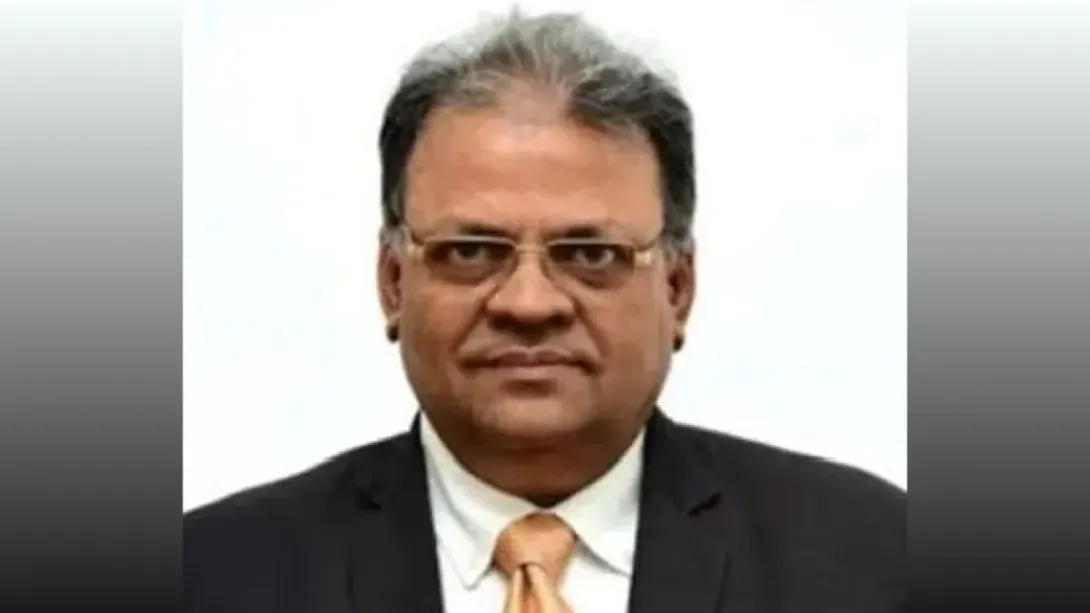
Oil and Natural Gas Corporation Chairman and CEO Arun Kumar Singh has raised concerns about India’s continued reliance on West Asia for its energy needs. His remarks come at a time when global energy markets are experiencing heightened volatility following a major geopolitical disruption in the region.
India currently sources nearly 50 percent of its crude oil imports from West Asia, along with around 30 percent of its natural gas requirements and as much as 85–90 percent of liquefied petroleum gas (LPG). This concentration risk, while historically cost-efficient, is now being reassessed in light of recent supply chain disruptions.
Geopolitical Shock Exposes Structural Vulnerabilities
The recent six-week disruption of a critical maritime export route in the Gulf has underscored the fragility of global energy logistics. The shipping corridor, a vital artery for the movement of crude oil, natural gas, and LPG, serves as a lifeline not only for India but for multiple energy-importing nations.
The temporary closure significantly constrained supply flows, triggering price volatility and raising concerns over supply continuity. For India, which depends heavily on imported hydrocarbons to sustain its industrial base and consumer demand, such disruptions carry immediate macroeconomic implications.
Call for Strategic Energy Storage
In response to these developments, industry leadership has emphasized the urgent need for expanding strategic petroleum reserves and gas storage capacity. Strategic storage acts as a buffer during supply shocks, enabling governments to stabilize domestic markets and mitigate price spikes.
Investments in storage infrastructure are increasingly being viewed as a form of economic insurance. By building reserves during periods of stable supply, India can better shield itself from external disruptions and reduce its exposure to geopolitical risks.
Diversification and Long-Term Resilience
Beyond storage, diversification of supply sources is emerging as a key policy priority. Expanding import partnerships beyond West Asia, increasing domestic production, and accelerating the transition toward renewable energy are all part of a broader resilience strategy.
Such measures not only enhance energy security but also align with India’s long-term sustainability goals. A diversified energy mix reduces dependency on any single region while providing flexibility in procurement and pricing.
Economic Implications and Strategic Outlook
Energy security remains intrinsically linked to economic stability. Fluctuations in crude oil and gas supplies directly impact inflation, fiscal balances, and industrial productivity. As a rapidly growing economy, India’s energy demand is expected to rise steadily, further amplifying the importance of a robust and resilient supply framework.
The current global environment serves as a wake-up call for policymakers and industry stakeholders alike. A proactive approach—combining infrastructure investment, supply diversification, and strategic foresight—will be essential to navigating future uncertainties.
In an increasingly unpredictable geopolitical landscape, India’s ability to secure reliable and affordable energy supplies will define not only its economic trajectory but also its strategic autonomy on the global stage.
- Log in to post comments