
Sebi Proposes Major Overhaul of Share Buyback Rules to Accelerate Capital Returns
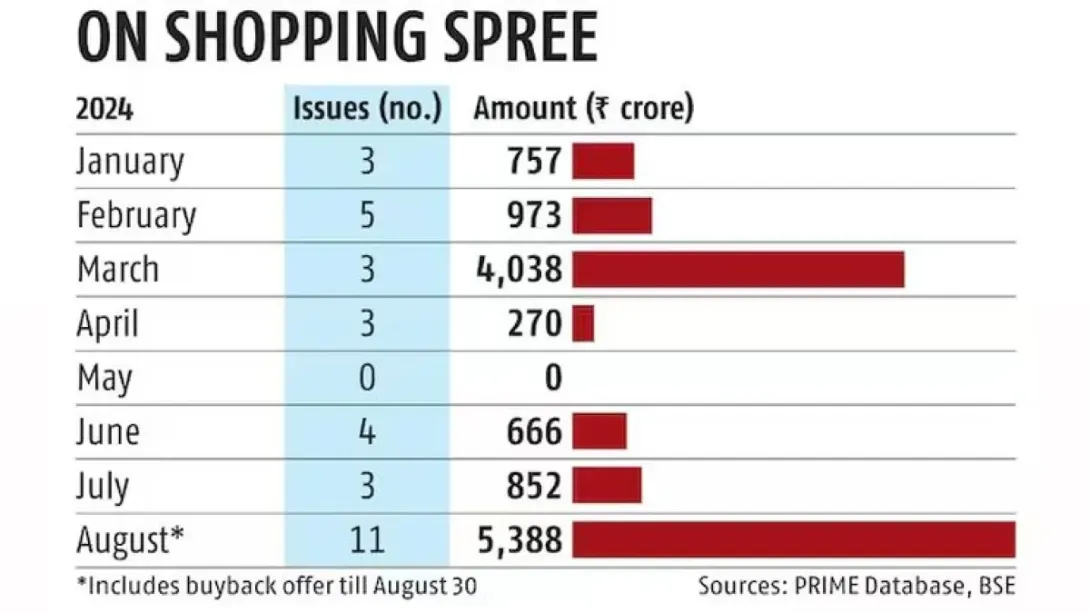
India’s capital markets regulator has proposed sweeping reforms to the corporate share buyback framework in a move aimed at improving transparency, efficiency, and investor confidence. The Securities and Exchange Board of India (Sebi) has suggested reintroducing open market buybacks through stock exchanges while significantly reducing execution timelines from six months to 66 working days. The proposals indicate a broader regulatory push toward faster capital redistribution and stronger market discipline. If implemented, the revised framework could reshape how listed companies manage surplus cash, optimize capital structures, and signal financial strength to investors in an increasingly competitive equity market environment.
Sebi Signals Regulatory Shift in Buyback Framework
The Securities and Exchange Board of India (Sebi) has proposed a substantial restructuring of rules governing corporate share buybacks, signaling a renewed effort to improve market efficiency and shareholder participation.
In a consultation paper released on Friday, the regulator outlined a series of recommendations that would revive open market share buybacks through stock exchanges — a mechanism that had previously been phased out amid concerns surrounding transparency and equitable treatment of investors.
The proposal forms part of Sebi’s broader regulatory agenda aimed at strengthening capital market practices while ensuring that shareholder reward mechanisms operate within tighter timelines and enhanced disclosure standards.
Faster Buyback Timelines Under New Proposal
Among the most significant recommendations is Sebi’s proposal to compress the execution period for open market buybacks.
Under the proposed framework, companies undertaking buybacks through stock exchanges would be required to complete the process within 66 working days from the opening date of the offer. The earlier structure permitted companies to carry out buybacks over a period extending up to six months.
The regulator appears to be attempting to eliminate prolonged buyback windows that often created uncertainty in price discovery and reduced operational efficiency. Shorter execution periods could also limit speculative trading behavior associated with extended buyback programs.
Market analysts suggest that accelerated timelines may improve investor clarity while enabling companies to communicate capital allocation intentions more effectively.
Reintroduction of Stock Exchange Route Seen as Strategic Move
The proposed revival of stock exchange-based buybacks marks a notable policy shift. Sebi had previously moved away from this route due to concerns that open market purchases sometimes failed to provide equitable opportunities to all shareholders.
However, evolving market structures, technological improvements, and enhanced monitoring mechanisms may have encouraged the regulator to reconsider the approach.
Open market buybacks are often preferred by corporations because they provide greater flexibility in purchasing shares based on prevailing market conditions. Compared with tender offers, they can also reduce compliance complexity and execution costs.
For investors, buybacks are generally interpreted as a signal that management believes the company’s shares are undervalued or that the business possesses excess cash reserves beyond immediate operational requirements.
Capital Allocation Efficiency in Focus
The consultation paper arrives at a time when corporate India is increasingly focused on capital optimization and shareholder value enhancement.
In recent years, buybacks have become an important financial tool for companies seeking to improve earnings per share, consolidate promoter holdings, and return surplus liquidity to investors without committing to recurring dividend obligations.
By tightening timelines and refining operational procedures, Sebi appears intent on ensuring that buyback mechanisms remain aligned with principles of fairness, transparency, and efficient capital deployment.
The regulator’s proposals could particularly influence cash-rich sectors such as information technology, pharmaceuticals, financial services, and energy, where listed companies frequently use buybacks as part of broader treasury management strategies.
Implications for Investors and Corporate Strategy
If adopted, the revised framework may reshape how listed firms approach market-based capital returns.
Shorter buyback durations could increase urgency in execution and potentially reduce market volatility linked to prolonged corporate purchasing activity. It may also enhance investor participation by creating clearer timelines and reducing uncertainty surrounding completion schedules.
From a governance perspective, the proposed reforms indicate Sebi’s growing emphasis on balancing corporate flexibility with shareholder protection.
Analysts believe the changes may ultimately encourage more disciplined capital management practices across Indian listed entities, particularly as investors increasingly scrutinize how companies deploy retained earnings in a high-interest-rate and competitive investment environment.
Regulatory Consultation Reflects Evolving Market Priorities
The release of the consultation paper underscores Sebi’s continued efforts to modernize India’s equity market ecosystem amid rising retail participation and deepening institutional engagement.
As India’s capital markets expand in scale and sophistication, regulators are placing greater emphasis on mechanisms that improve liquidity, governance standards, and investor confidence.
The proposed buyback reforms, while procedural in appearance, reflect a deeper transformation in regulatory philosophy — one that prioritizes speed, accountability, and efficient capital circulation within public markets.
Should the recommendations move into formal regulation, they could significantly alter the operational dynamics of corporate buybacks in India and reinforce shareholder-centric practices in the country’s evolving financial landscape.
- Log in to post comments