
India Maintains Stable LPG Supply for Auto Component Industry Amid Global Uncertainty
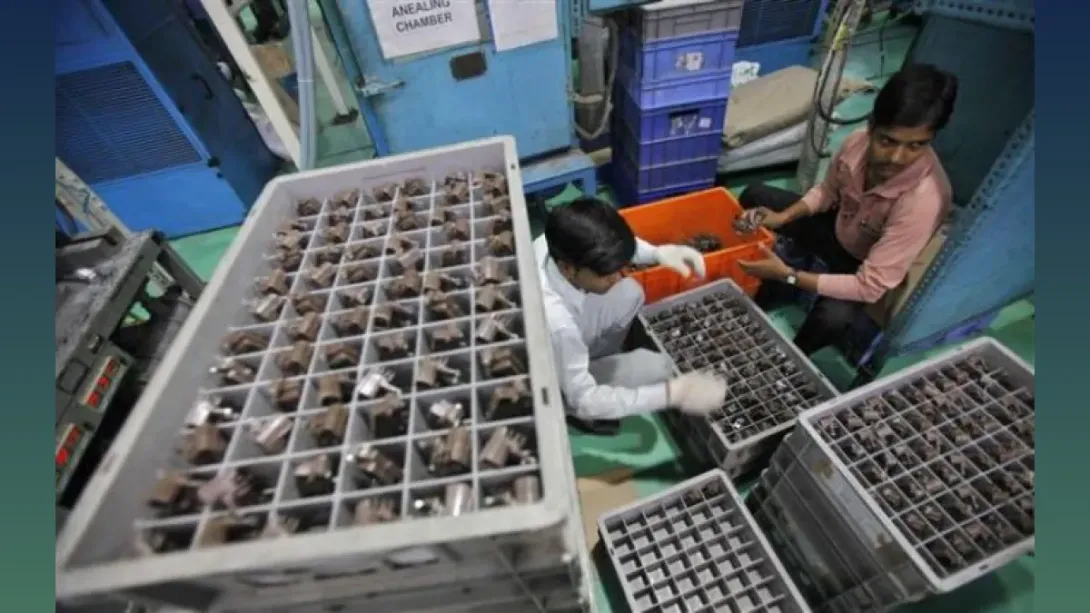
India’s auto component manufacturing sector remains insulated from disruptions in LPG supply, with government officials confirming adequate availability despite evolving global uncertainties. The Ministry of Heavy Industries, in coordination with industry bodies such as ACMA, has ensured steady fuel access to prevent production bottlenecks. Authorities have also encouraged the adoption of alternative energy sources, including piped natural gas (PNG) and electric furnaces. The proactive approach reflects India’s focus on safeguarding industrial continuity while advancing cleaner energy transitions within its manufacturing ecosystem.
Government Assures Supply Stability
In a significant reassurance to the manufacturing sector, officials from the Ministry of Heavy Industries confirmed that auto component manufacturers across the country have not reported any major shortages of liquefied petroleum gas (LPG).
The statement comes amid heightened global concerns over supply chain disruptions, particularly in energy markets. Authorities emphasized that ongoing coordination with industry stakeholders has ensured uninterrupted fuel availability for critical manufacturing processes.
Close Coordination with Industry Stakeholders
The government has maintained continuous engagement with ACMA and other industry associations to monitor supply conditions and respond swiftly to emerging challenges.
This collaborative framework enables real-time assessment of demand-supply dynamics, ensuring that any potential disruptions are addressed before they escalate into operational constraints. Such coordination reflects a broader policy approach focused on resilience and proactive governance.
Mitigating Supply Chain Risks
Officials highlighted that the administration is actively working with multiple ministries, including those overseeing petroleum and energy, to safeguard the supply chain. These efforts are particularly critical given the volatility in global energy markets, influenced by geopolitical developments.
By maintaining a stable supply of LPG, the government aims to prevent production slowdowns that could have downstream effects on the automotive sector, exports, and employment.
Encouraging Transition to Cleaner Energy Alternatives
In addition to ensuring immediate supply stability, policymakers are advocating for a gradual shift toward cleaner and more sustainable energy sources. Manufacturers have been encouraged to adopt alternatives such as piped natural gas (PNG) and electric furnaces wherever feasible.
This transition aligns with India’s broader environmental and industrial strategy, which seeks to reduce carbon intensity while enhancing operational efficiency across sectors.
Implications for the Automotive Value Chain
The auto component industry forms a critical backbone of India’s manufacturing economy, supporting both domestic vehicle production and global supply chains. Stable energy access is essential for maintaining production schedules and cost efficiencies.
The absence of LPG shortages provides reassurance to investors and industry participants, reinforcing confidence in the sector’s operational stability amid external uncertainties.
Conclusion
The government’s confirmation of adequate LPG supply for auto component manufacturers underscores the effectiveness of coordinated policy measures in managing industrial risks. By combining short-term supply assurance with long-term sustainability initiatives, India is positioning its manufacturing sector for resilient and balanced growth. As global uncertainties persist, such proactive strategies will remain essential in safeguarding economic stability and supporting industrial expansion.
- Log in to post comments