
Indian Natural Diamond Jewellery Market Set to Surge to Rs 1,50,000 Crore by 2030
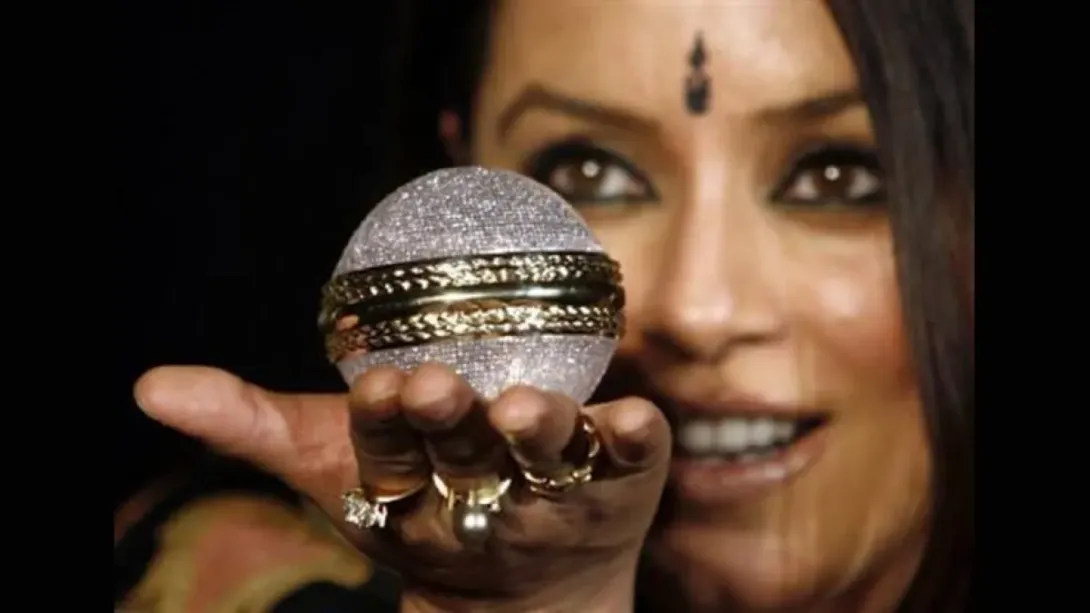
India’s natural diamond jewellery market is poised for remarkable growth, with projections estimating a valuation of Rs 1,50,000 crore by 2030. According to the De Beers Group’s “2025 India Diamond Acquisition Study (DAS),” this expansion is underpinned by robust macroeconomic fundamentals, including an anticipated 11 per cent annual growth in GDP and personal disposable income (PDI). The report highlights a notable shift in consumer behavior, with natural diamonds transitioning from occasional bridal heirlooms to high-frequency, everyday wear. Rising incomes, evolving lifestyle preferences, and expanding urban markets are set to drive this surge, positioning India as a key growth hub in the global diamond jewellery industry.
Introduction: Market Momentum and Structural Shifts
The Indian diamond jewellery industry is entering a transformative phase. Historically dominated by bridal and ceremonial purchases, the market is witnessing a significant pivot toward daily-wear luxury. Increasing disposable incomes, urbanization, and exposure to global trends are redefining consumer preferences, creating opportunities for both domestic jewellers and international players.
De Beers’ “2025 India Diamond Acquisition Study (DAS)” projects that the market will expand to Rs 1,50,000 crore by 2030, representing a structural evolution in consumption patterns. This growth trajectory aligns with broader economic trends, including robust GDP and PDI growth, which are expected to underpin long-term market expansion.
Drivers of Growth
1. Rising Disposable Income and Economic Expansion
India’s projected 11 per cent annual growth in GDP and personal disposable income through 2030 provides a strong foundation for luxury spending. As more consumers attain higher income levels, discretionary purchases, including diamond jewellery, are becoming increasingly attainable for a wider segment of the population.
2. Shifting Consumer Preferences
The report identifies a shift from traditional bridal purchases to everyday wear, with consumers seeking versatile, lightweight, and modern designs suitable for frequent use. Millennials and Gen Z buyers, in particular, are gravitating toward contemporary styles, driving demand beyond the conventional wedding-focused market.
3. Urbanisation and Tier-2 City Penetration
Rapid urban expansion and increasing purchasing power in Tier-2 and Tier-3 cities are unlocking new growth corridors. Retailers and online platforms are strategically targeting these regions, offering curated collections and localized marketing campaigns to attract emerging affluent consumers.
4. E-commerce and Digital Engagement
The rise of digital marketplaces has transformed the way diamonds are bought. Online platforms provide transparency, customization, and accessibility, enabling consumers to make informed purchases. This digital penetration is particularly relevant for younger, tech-savvy demographics seeking convenience and variety.
Market Implications and Strategic Opportunities
The projected Rs 1,50,000 crore market valuation presents opportunities for jewellers, designers, and investors alike. Key strategies include product diversification, targeting younger consumers, and leveraging digital tools for engagement. International brands may also capitalize on India’s expanding middle and upper-middle-class segments by offering entry-level luxury collections and premium experiences.
Furthermore, the focus on everyday wear jewellery encourages innovation in lightweight, sustainable, and ethically sourced diamonds, aligning with global consumer trends toward responsible luxury.
Conclusion
India’s natural diamond jewellery market is on the cusp of unprecedented growth, driven by rising incomes, urbanization, and evolving consumer preferences. The transition from traditional bridal purchases to high-frequency, daily-wear consumption marks a significant structural shift in the industry. As India solidifies its position as a critical growth hub, jewellers and investors who adapt to these dynamics stand to benefit from a thriving market poised to reach Rs 1,50,000 crore by 2030. Strategic innovation, digital engagement, and a focus on younger demographics will be key determinants of success in this evolving landscape.
- Log in to post comments