
India’s Growth Outlook Strengthens as ADB Projects 6.9% GDP Expansion Amid Global Uncertainties
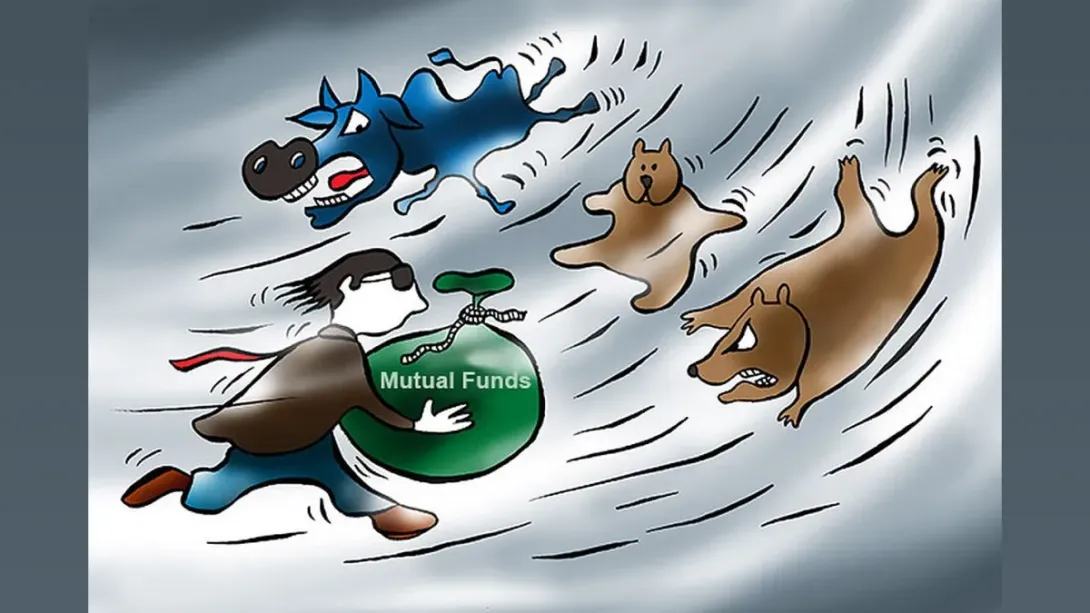
India’s economic trajectory remains resilient, with the Asian Development Bank projecting GDP growth of 6.9% for the current fiscal year, rising further to 7.3% in the next. This optimism is underpinned by robust domestic demand, easing financial conditions, and favorable trade dynamics. However, the outlook is not without risks. Ongoing geopolitical tensions in West Asia, fluctuating oil prices, and potential disruptions to trade and remittances pose significant challenges. Inflation is expected to rise to 4.5% before stabilizing in subsequent years. The forecast underscores India’s structural strength while highlighting the delicate balance between growth momentum and external vulnerabilities.
India’s Growth Momentum Remains Intact
India continues to demonstrate economic resilience despite an increasingly volatile global environment. The latest projections indicate that the country’s gross domestic product is expected to expand by 6.9% in the current fiscal year, followed by an acceleration to 7.3% in the subsequent period.
This growth trajectory reflects the strength of domestic consumption, which remains the cornerstone of India’s economic engine. Household spending, supported by improving employment trends and steady income growth, has played a pivotal role in sustaining momentum. Additionally, public infrastructure investments and private sector capital expenditure have contributed to a broad-based recovery.
Key Drivers of Economic Expansion
A combination of structural and cyclical factors is supporting India’s upward growth outlook. Easing financing conditions have enhanced credit availability, encouraging both corporate investments and consumer borrowing.
Moreover, a relatively favorable external trade environment, including lower tariffs on certain exports, has improved competitiveness in global markets. The services sector, particularly technology and financial services, continues to be a significant contributor to economic output.
India’s diversified economic base has also provided a cushion against external shocks, allowing it to maintain stability even as global markets experience turbulence.
Inflation Trends and Monetary Considerations
While growth prospects remain strong, inflation dynamics warrant close attention. Price pressures are expected to rise to approximately 4.5% in the current fiscal year, up from 2.1% previously.
This increase is largely attributed to a rebound in food prices, elevated global crude oil costs, and currency depreciation. Rising prices of precious metals have further contributed to inflationary pressures.
However, inflation is projected to moderate to around 4% in the following fiscal year, supported by stabilizing commodity prices and improved supply conditions. Policymakers are likely to maintain a calibrated approach, balancing growth support with inflation control.
Geopolitical Risks and External Pressures
Despite a positive baseline scenario, the economic outlook is exposed to significant external risks. Prolonged geopolitical tensions in West Asia could disrupt energy supplies, leading to higher import costs for crude oil and natural gas.
Such developments would not only strain India’s trade balance but also exert pressure on domestic inflation and currency stability. Furthermore, disruptions in global trade flows could impact export performance, while reduced remittance inflows from overseas workers may affect household incomes in certain regions.
These factors highlight the interconnected nature of modern economies and the importance of strategic risk management.
Policy Implications and Strategic Outlook
India’s policymakers face the dual challenge of sustaining growth while mitigating external vulnerabilities. Strengthening energy security, diversifying trade partnerships, and maintaining prudent fiscal and monetary policies will be critical in navigating uncertainties.
Investment in domestic manufacturing and supply chain resilience could further reduce dependence on external markets. At the same time, continued focus on digital infrastructure and innovation will enhance long-term competitiveness.
Conclusion: A Story of Strength with Cautious Optimism
India’s economic outlook reflects a compelling narrative of resilience and opportunity. Strong domestic fundamentals position the country as one of the fastest-growing major economies globally.
However, the path forward is not without obstacles. External shocks, particularly those linked to geopolitical developments and commodity markets, remain key risks.
The balance between sustaining growth and managing inflation will define policy direction in the coming years. If navigated effectively, India is well-placed to consolidate its position as a leading engine of global economic expansion.
- Log in to post comments